
Micro cheating, sometimes spelled microcheating, is a subtle form of behavior that can slip under the radar in a relationship, leaving partners confused, anxious, or even heartbroken. Unlike overt infidelity, micro-cheating often involves small actions that may seem harmless at first glance—such as lingering too long over a friendly chat or paying flirtatious attention to an old crush online. These tiny breaches of trust can create uncertainty and tension, eventually causing significant problems. Understanding what micro-cheating is, identifying the signs, and recognizing its root causes can help couples protect their emotional bonds and prevent these seemingly minor missteps from turning into something more bad.
Micro-Cheating Explained: What It Is and How to Recognize It


What Exactly Is Micro-Cheating?
Micro-cheating is a term that describes small acts, gestures, or habits that fall short of full-blown betrayal but still cross emotional or romantic boundaries within a relationship. It thrives in the gray zone—the space between innocent interaction and explicit misconduct. Unlike an affair that involves sex, physical intimacy, or a deep romantic attachment, micro-cheating might look like saving a phone number under a code name, frequently checking out an ex’s social media, or using a dating app under the guise of “just browsing.”
These behaviors are not always deliberate attempts to attract someone else. At times, they arise from insecurity, boredom, or the desire for external validation. But even if micro-cheating never evolves into a full-blown transgression, it can damage trust and create a lingering feeling that something is amiss. The underlying element is a breach of an agreement—spoken or unspoken—regarding what’s appropriate, respectful, and honest behavior toward one’s partner.
Micro-cheating thrives on subtlety. A partner may justify these small actions by dismissing their significance, claiming they’re harmless or that everyone does them. However, while a single glance at someone attractive might be trivial, patterns of flirtation or secretive communication build up emotional debts. Over time, these small missteps form a pattern of dishonesty and misaligned priorities, transforming a once-stable bond into shaky territory. Recognizing these behaviors—before they solidify—can help couples confront the emotional gaps and regain clarity in their connections.

Everyday Examples of Micro-Cheating
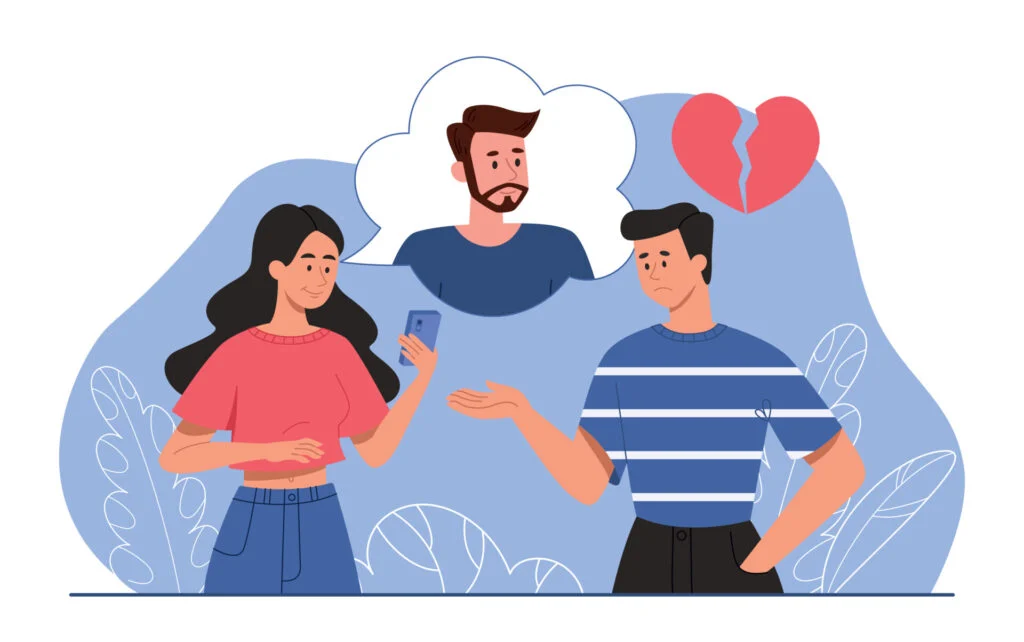
Micro-cheating often hides in plain sight. These small actions can seem inconsequential, but they gradually accumulate to erode trust. A few everyday examples of micro cheating include:
- Secretive Online Messages: Sending flirty DMs to a coworker or ex under the guise of “catching up” can be a form of micro-cheating. Even if explicit romantic intentions never materialize, the secrecy and intimate undertones breach the trust that’s central to a healthy relationship.
- Continuing a Close Friendship With a Previous Crush: Maintaining a strong emotional bond with someone you once desired romantically, especially if it’s hidden or downplayed, can count as micro-cheating. The act becomes problematic if it serves as a source of validation or comparison that undermines the primary relationship.
- Selective Social Media Interactions: Habitually liking, commenting on, or reacting to posts from a specific individual for the purpose of gaining their attention or offering subtle flirtation can be a form of micro-cheating. This may feel harmless, but it sometimes lays the groundwork for stronger emotional entanglements.
- Downplaying a Partner’s Importance in Front of Others: When someone deliberately omits mentioning they are taken, or ambiguously presents themselves as single in social settings or online spaces, it’s a form of micro-cheating. This quiet suggestion that they’re available to attract new interest can be a serious cause for concern.
- Emotional Investment in Someone Else’s Life: When one partner invests more time, energy, and emotional capacity into someone outside the relationship—regularly seeking comfort, sharing intimate details, or offering unwavering support in secret—it becomes a subtle act of betrayal. Over time, this can bloom into significant emotional problems.
- Covert Dating App Browsing: Even if it’s just “to look” or “to see who’s out there,” using dating apps while in a committed relationship sends a clear message of potential disloyalty. The quiet thrill of seeing who else might be interested is a breach of fidelity, even if no actual meeting ever occurs.
These examples highlight how easily everyday behaviors can cross into murky territory. The essence of micro-cheating rests in secrecy, hidden intent, and prioritizing another’s attention over your partner’s comfort.
Signs Your Partner Might Be Micro-Cheating
Spotting signs of micro-cheating can be challenging. The behavior is often hidden, subtle, and easy to justify as harmless. However, certain warning signals can help you discern if your partner has crossed a line:
- Increased Secrecy Around Devices: If they swiftly close tabs or hide their phone screen as you approach, it may not be an accident. Frequent password changes and reluctance to let you see their messages can signal micro-cheating.
- Defensiveness and Evasion: Partners who become overly defensive or evasive when asked simple questions about their day, their connections, or their online interactions might be guarding their secret behaviors.
- Excessive Mentioning of a Specific Person: If your partner repeatedly brings up someone else—praising their achievements, appearance, or humor—this could be a subtle sign of attraction. Even if they insist the relationship is “just friends,” the excessive interest might raise red flags.
- Shifts in Behavior and Attitude: Sudden mood changes, unexplained bursts of happiness when checking their phone, or unusual irritability when asked to spend quality time together might be indicators that they’re gaining emotional gratification elsewhere.
- Using “Harmless” Terms to Justify Actions: Micro-cheaters might claim that flirting is “just how they talk,” or that following an ex online is “no big deal.” If these excuses come up frequently, it’s worth examining the consistency of their actions with your mutual expectations.
- Emotional Distance in the Primary Relationship: A subtle withdrawal of emotional investment, diminished interest in intimacy, or less enthusiasm about spending quality time together can all reflect the energy being funneled into another connection.
Why People Micro-Cheat and What It Means
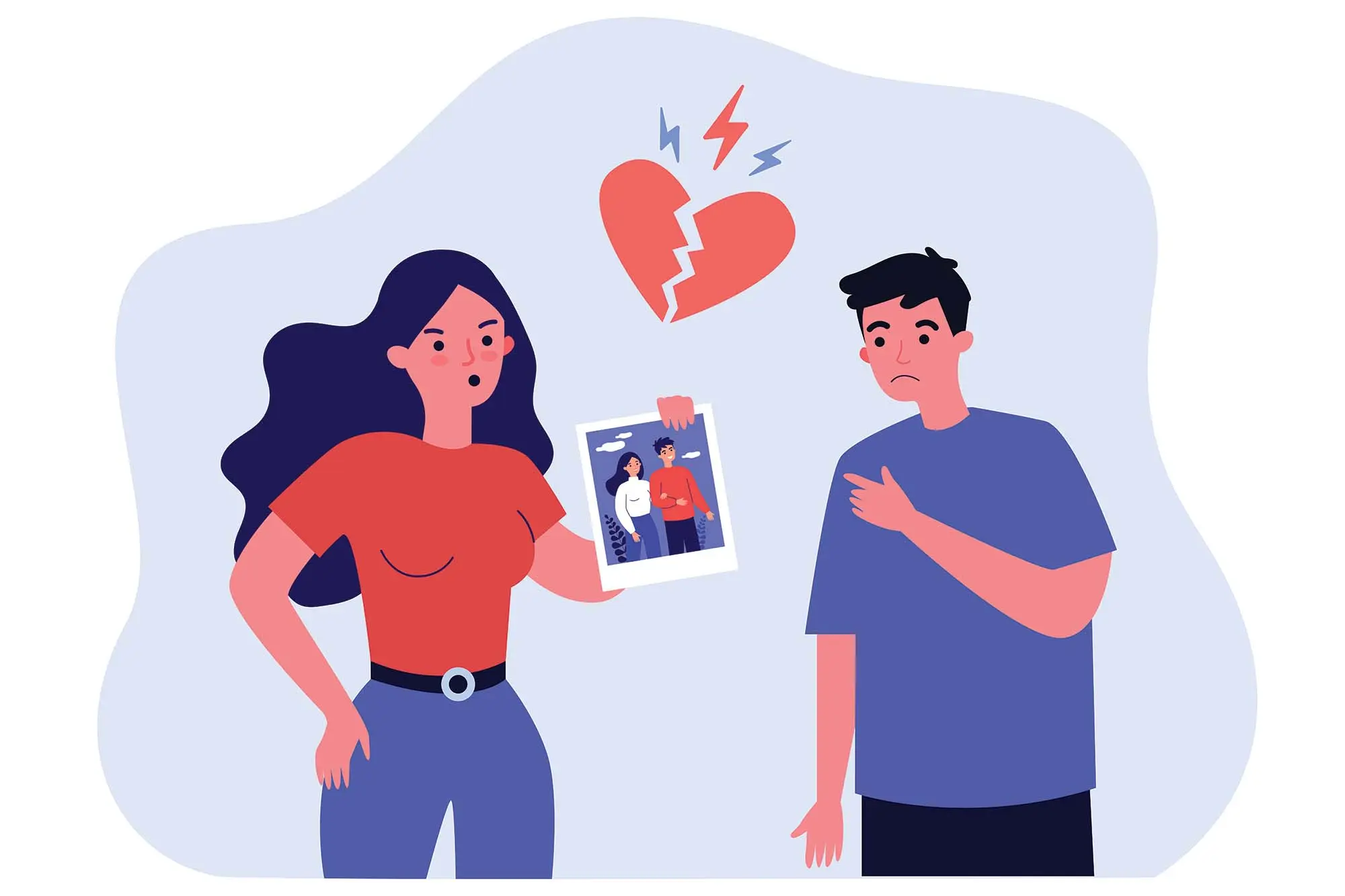
No single reason explains why people engage in micro cheating. Often, micro-cheating arises from a combination of personal insecurities, a desire for novelty, or a fear of routine within the relationship. Some key factors include:
Insecurity and Validation
People who feel uncertain about their attractiveness, desirability, or worth might seek small boosts of confidence from others outside their committed partnership. These minor flirtations help them feel desirable and keep fears of insignificance at bay.
Boredom and Stagnation
Long-term relationships require sustained effort. Without conscious nourishment, routines become predictable and excitement fades. In this scenario, micro-cheating can present itself as an easy shortcut to regain the thrill of romance without openly cheating.
Conflicting Relationship Expectations
Partners may have different views about what counts as acceptable behavior. If one partner believes a few flirty messages are harmless, while the other sees them as a violation, this misalignment creates tension. Micro-cheating might emerge when no clear lines are drawn.
Opportunity and Convenience
Sometimes, the allure of easy, low-stakes flirtation tempts people. Digital platforms and social media provide quick avenues to test boundaries. A few compliments, a private joke, or a suggestive comment costs little effort and may feel like a gratifying secret.
Emotional Displacement
If someone feels misunderstood, unappreciated, or disconnected in their current relationship, micro-cheating can fill an emotional void. The extra attention from someone else can soothe loneliness or offer a sense of importance missing at home.
In the end, micro-cheating isn’t about the small acts themselves as much as what these acts represent. They signal that the relationship is off-balance, that trust is fraying, or that one partner’s needs are unmet. Addressing these underlying issues—rather than just the surface-level behaviors—is key to prevention and resolution.
How to Set Boundaries and Avoid Micro-Cheating
Healthy relationships thrive on honest communication, mutual respect, and clearly defined boundaries. To prevent micro-cheating from creeping in, couples should proactively shape the norms that guide their behavior.
Open Dialogues About Comfort Levels
Each relationship is unique. Sit down together and discuss what counts as micro-cheating for both of you. Is it following an ex on social media? Flirting with coworkers? Commenting on attractive strangers’ posts? Define your shared standards to reduce confusion.
Communicate Feelings Without Judgment
If a partner feels uncomfortable with certain behaviors, they should express their concerns without fear of ridicule. The goal is to understand each other’s emotional triggers, not to accuse or shame. Non-judgmental conversations help prevent small issues from escalating into bigger problems.
Be Transparent About Friendships
Be honest about connections with former partners or people you once found attractive. Transparency doesn’t mean sacrificing your privacy entirely, but it does mean ensuring both partners feel respected and secure. Secretive friendships or clandestine chats with a crush raise suspicion.
Limit Temptations
If certain social media activities feel too tempting or problematic, consider setting restrictions. This might mean unfollowing certain individuals, turning off notifications, or agreeing not to use dating apps. Taking proactive steps can keep boundaries firm and protect the primary relationship.
Nurture the Existing Bond
Strengthening emotional and physical intimacy within your current relationship can lessen the desire for external validation. Show appreciation, invest time in meaningful conversations, plan activities that excite both of you, and maintain a healthy sex life. When both partners feel valued, the allure of micro-cheating diminishes.
Acknowledge When Boundaries Are Crossed
If micro-cheating does occur, address it promptly. Discuss what happened, why it happened, and how to move forward. Ignoring these incidents only sets the stage for more serious betrayals down the road. Acknowledging missteps allows for personal responsibility and growth.
How Social Media Can Lead to Micro-Cheating
Social media platforms offer a near-limitless playground for subtle, flirtatious exchanges that skirt the line of infidelity. While these networks can enrich lives—helping us reconnect with old friends, keep up with family, and share news—they can also facilitate micro-cheating. The reasons are manifold:
While social media isn’t inherently bad, it multiplies opportunities for missteps. Recognizing these pitfalls can help couples set boundaries and ensure these platforms enhance, rather than undermine, their closeness.